

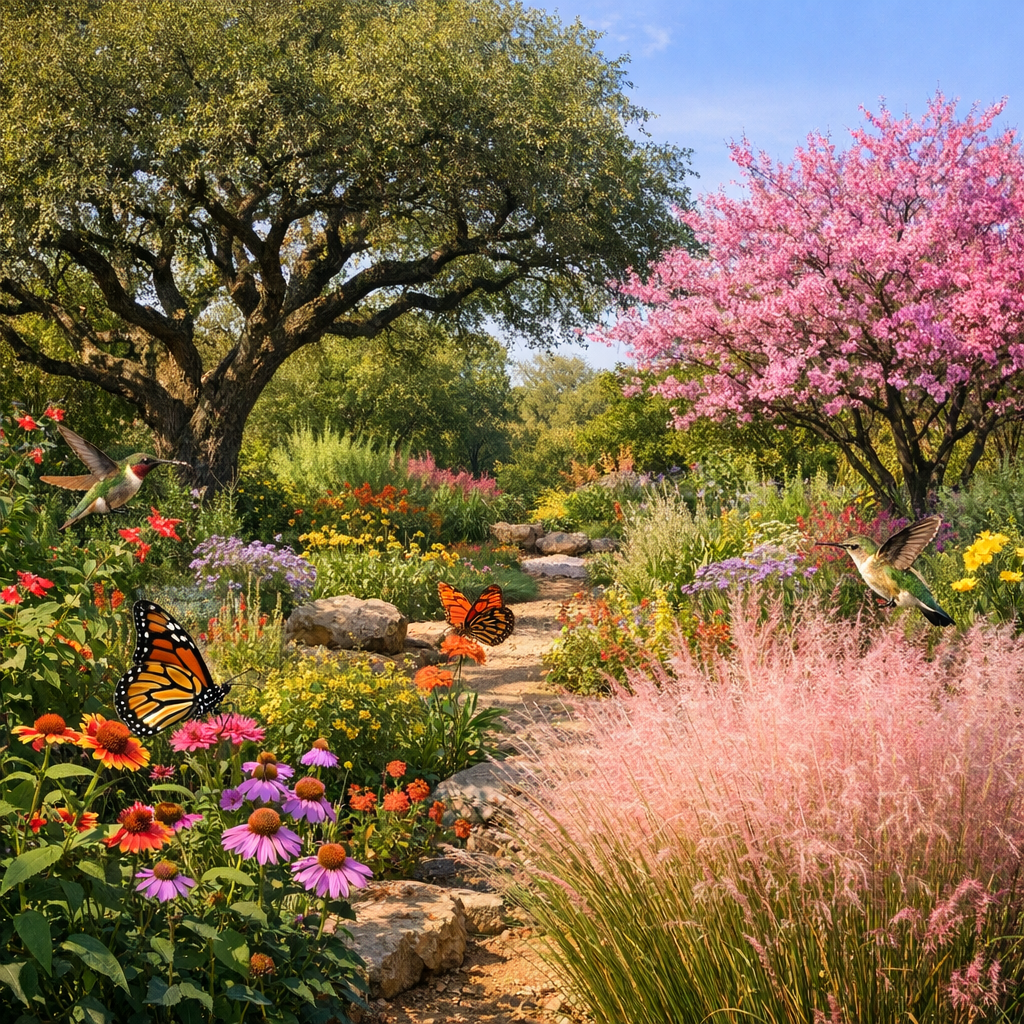
Abilene’s unique climate, characterized by hot summers and mild winters, presents both challenges and opportunities for local gardeners. Embracing native plants in your landscaping not only enhances the beauty of your surroundings but also promotes sustainability and resilience.
Why Choose Native Plants?
Native plants are species that have evolved in a specific region over thousands of years, adapting to the local climate, soil, and wildlife. In Abilene, incorporating native plants into your landscape offers several advantages:
- Water Efficiency: Once established, native plants require minimal irrigation, as they are adapted to Abilene’s natural rainfall patterns and seasonal dry spells. This reduces water consumption and supports conservation efforts.
- Wildlife Support: Native plants provide essential habitats and food sources for local wildlife, including pollinators like bees, butterflies, and hummingbirds. They support a greater diversity of species compared to non-native ornamentals.
- Low Maintenance: These plants are well-suited to the local environment, requiring less fertilizer and fewer pesticides. They are also more resistant to local pests and diseases.
Top Native Plants for Abilene Landscapes
Here are some native plants that thrive in Abilene’s climate:
Native Trees
- Live Oak (Quercus virginiana): An iconic Southern tree, the Live Oak provides year-round canopy and supports over 500 caterpillar species. Its acorns are a valuable food source for wildlife.
- Texas Redbud (Cercis canadensis var. texensis): Known for its spectacular spring pink blooms, the Texas Redbud is heat and drought tolerant, making it ideal for Abilene’s climate.
Native Ornamental Grasses
- Gulf Muhly (Muhlenbergia capillaris): This grass features dramatic pink fall plumes and is extremely heat and drought tolerant. It requires no maintenance once established.
Native Groundcovers
- Frogfruit (Phyla nodiflora): A spreading mat-forming groundcover, Frogfruit is a host plant for the Buckeye butterfly and thrives in Abilene’s conditions.
Planting Tips
For optimal success with native plants in Abilene:
- Plant in Fall: Fall planting (October–December) is preferred, allowing plants to establish roots during the mild winter before the summer heat arrives.
- Watering: Water weekly during the first summer to help plants establish. By the second year, they should be largely self-sufficient.
- Soil Considerations: Abilene’s soils range from sandy to heavy clay. Choose native species adapted to local soil conditions and avoid amending the soil, as native plants are suited to existing conditions.
Where to Find Native Plants
To source native plants in Abilene:
- Local Nurseries: Visit local native plant nurseries or garden centers that specialize in native species.
- Plant Sales: Attend plant sales organized by the Texas Native Plant Society, typically held in spring and fall.
- Online Resources: Utilize databases like the Lady Bird Johnson Wildflower Center (wildflower.org) and the Audubon Native Plant Finder (audubon.org/native-plants) to identify suitable plants for your area.
By incorporating native plants into your landscape, you contribute to a more sustainable and resilient environment in Abilene, supporting local wildlife and conserving resources.