

Introduction
It might feel like news from distant corners of the world doesn’t always touch our daily lives here in Abilene—but recent global trends around conflict, climate, and food security are tightly connected to people everywhere. These aren’t isolated stories; they’re part of a larger pattern that affects peace, safety, and communities near and far.
Conflict Beyond Borders
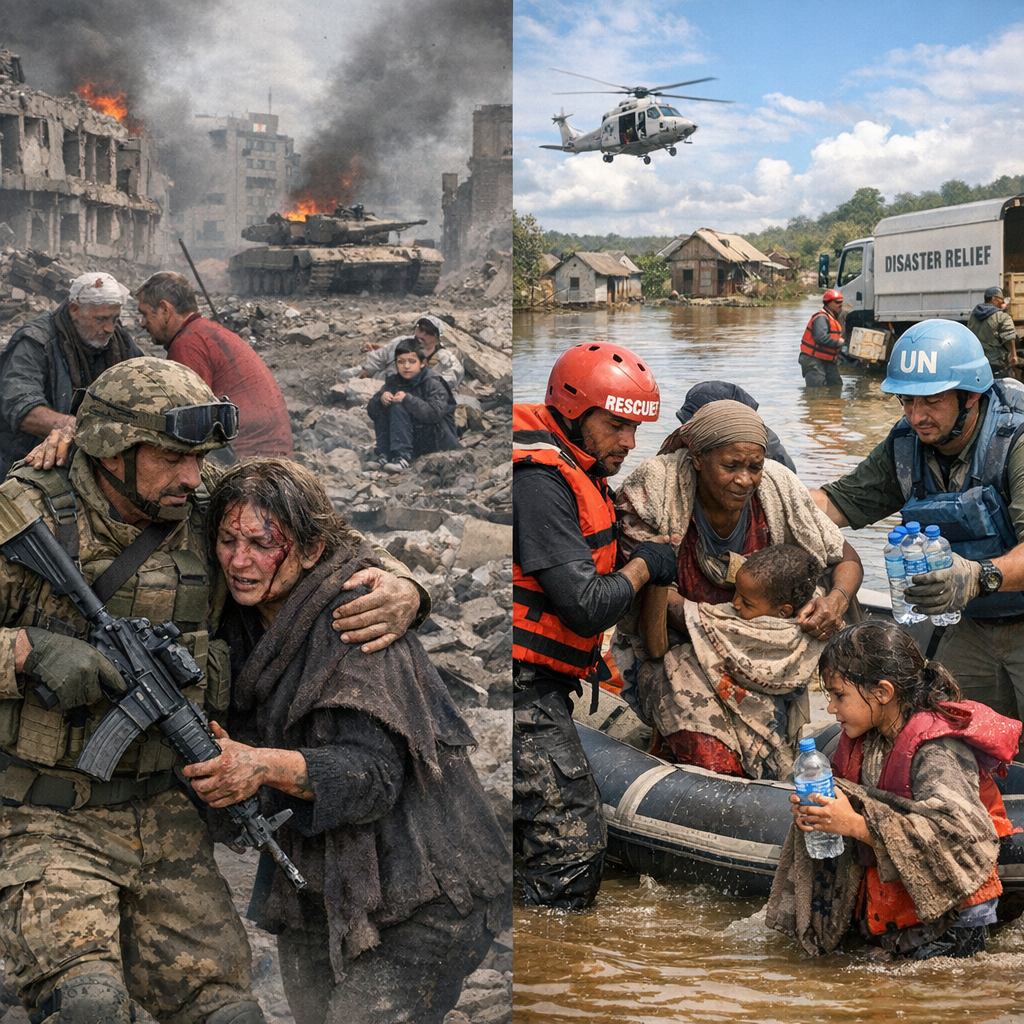
Violent conflicts continue to increase globally in both number and intensity. A major reason is that governments and armed groups are using force more freely, often with civilians caught in the crossfire. International crises from places like Ukraine or Yemen aren’t just regional—they alter global migration patterns, strain humanitarian aid systems, and disrupt markets for food and energy. Even seemingly distant wars can have ripple effects reaching our homes.
Civilians Under Pressure
More people than ever are exposed to violence, displacement, and uncertainty. Millions are displaced internally or across borders, and aid systems are struggling to keep pace. Refugee flows, access to essential services, and the collapse of local economies all feed into broader challenges of security and stability.
Climate Risks Intensify Instability
At the same time, climate change is driving hardship that often intersects with conflict. Droughts, extreme heat, flooding, and food shortages put additional stress on fragile systems. When essentials like water and arable land become scarce, tensions rise—sometimes triggering or worsening conflict.
Food Security in the Crosshairs</
As climate impacts disrupt harvests and food supply chains, food prices soar and hunger spreads. Rising energy costs and geopolitical instability only make matters worse. The result: in many nations, food insecurity isn’t just a matter of availability but of affordability and access.
Why Abilene—and Us—Should Care
We may be halfway around the world from many of these conflicts, but Abilene is connected in unexpected ways. Global energy prices can influence everything from your electricity bill to what you pay at the gas pump. Disruptions in food supply chains affect what we find at grocery stores. Plus, migration and refugee crises can have ripple effects across the globe, including communities contributing to or impacted by resettlement.
What Can Be Done?
While these problems are vast, there’s room for action—both globally and locally:
- Support diplomatic efforts and international institutions committed to peaceful conflict resolution and accountability.
- Invest in climate resilience—both through policies and community-level initiatives to prepare for and adapt to change.
- Raise awareness locally about how our consumption, voting, and community involvement link to global challenges.
- Back nonprofits and humanitarian organizations working on food security, refugee assistance, and environmental restoration.
Conclusion
Global conflicts and climate change may seem like distant headlines, but their consequences reach into our daily lives. Face it as one interconnected story: of peace, of survival, of shared future. Understanding that connection is our first step toward shaping a world that’s safer and more just—for Abilene and everyone.