

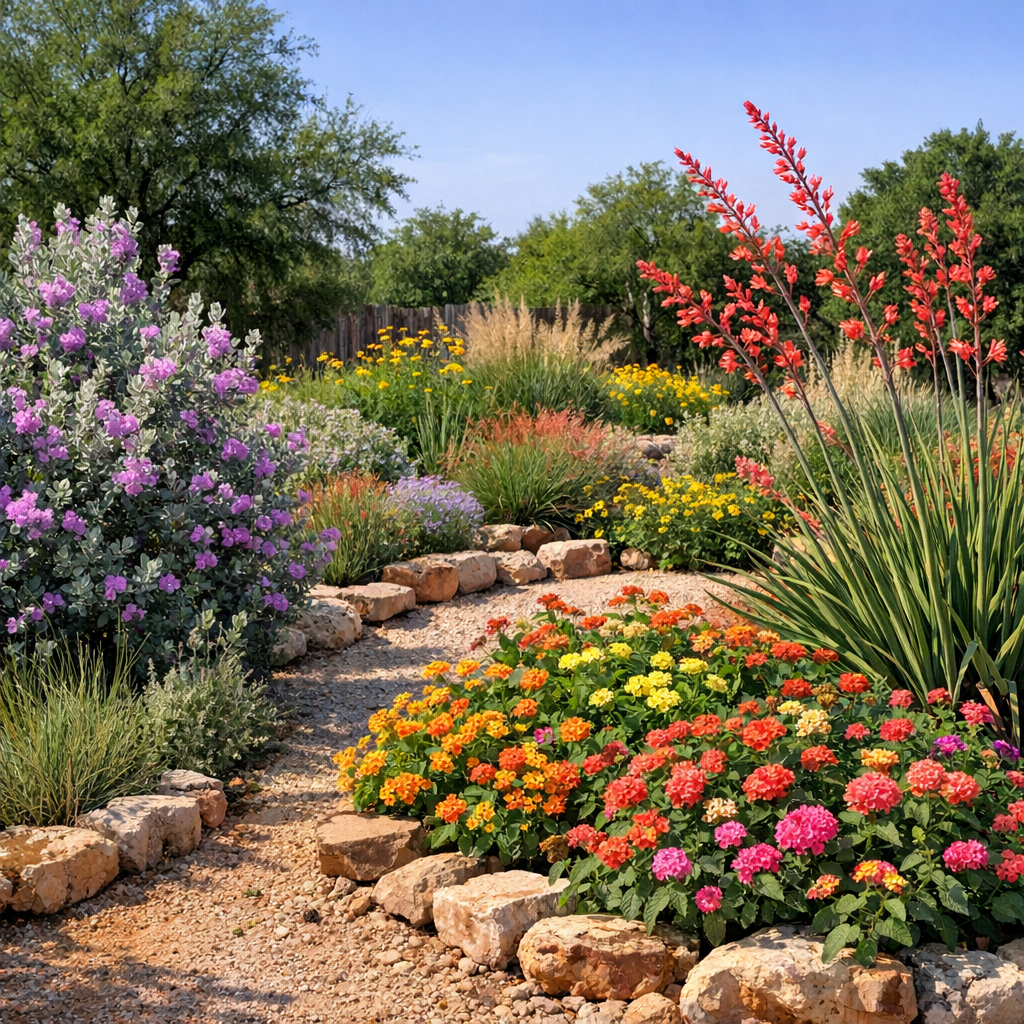
Abilene’s unique climate, characterized by hot summers and mild winters, presents both challenges and opportunities for local gardeners. One effective strategy to create a resilient and low-maintenance landscape is to incorporate native plants into your garden. These species have evolved to thrive in our region’s conditions, offering numerous benefits for both the environment and homeowners.
Why Choose Native Plants?
Native plants are well-adapted to Abilene’s climate, requiring less water and maintenance once established. They support local wildlife, including pollinators like bees, butterflies, and hummingbirds, by providing essential habitats and food sources. Additionally, native plants contribute to the preservation of our region’s biodiversity and natural heritage.
Top Native Plants for Abilene Gardens
Texas Sage (Leucophyllum frutescens)
Also known as Texas ranger or purple sage, this drought-tolerant shrub produces vibrant purple flowers during the summer and fall. It’s well-suited to Abilene’s hot and dry climate, adding color and resilience to your landscape.
Lantana (Lantana camara)
Lantana is a colorful perennial known for its clusters of vibrant flowers that attract butterflies and hummingbirds. It’s heat-tolerant, drought-resistant, and blooms from spring through fall, making it a favorite among local gardeners.
Red Yucca (Hesperaloe parviflora)
Red yucca is a low-maintenance succulent with long, slender leaves and tall flower spikes adorned with coral-colored blooms. It’s well-adapted to the arid conditions of Abilene and adds visual interest to xeriscape gardens.
Live Oak (Quercus virginiana)
This iconic Southern tree provides year-round canopy and supports over 500 caterpillar species, offering acorns for wildlife. Its resilience and shade make it a valuable addition to any landscape.
Southern Magnolia (Magnolia grandiflora)
Known for its fragrant June flowers and evergreen foliage, the Southern Magnolia offers year-round shade and serves as a bird nesting habitat, enhancing both aesthetics and biodiversity.
Planting Tips for Success
- Optimal Planting Time: Fall is the preferred planting season in Abilene. Planting in the fall allows native plants to establish their root systems during the mild winter months, preparing them to withstand the summer heat.
- Watering: Once established, native plants typically require minimal supplemental irrigation, as they are adapted to Abilene’s natural rainfall patterns.
- Soil Considerations: Native plants are adapted to local soil conditions and generally do not require fertilization. It’s advisable to avoid amending the soil, as these plants thrive in the native soil environment.
Where to Find Native Plants
Local nurseries such as Garden World and Willow Creek Gardens in Abilene offer a selection of native plants suitable for our region. Additionally, organizations like the Texas Native Plant Society often host plant sales in the spring and fall, providing opportunities to acquire native species and learn more about their care.
By incorporating native plants into your landscape, you contribute to a more sustainable environment, support local wildlife, and enjoy a garden that reflects the natural beauty of Abilene. Embrace the advantages of native gardening and create a resilient, vibrant outdoor space that thrives in our unique climate.