

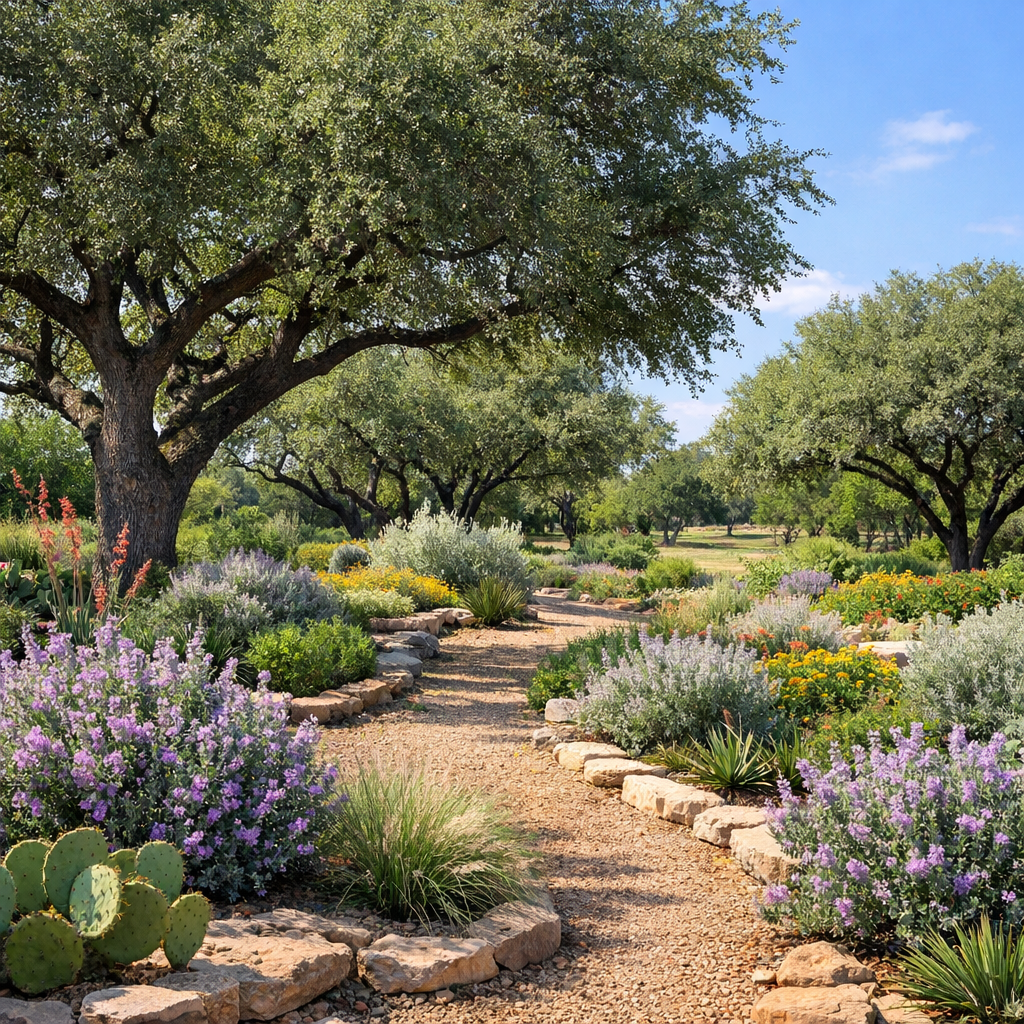
Incorporating native plants into your landscaping not only enhances the beauty of your property but also promotes environmental sustainability. In Abilene, Texas, selecting flora adapted to our unique climate ensures a resilient and low-maintenance garden.
Understanding Abilene’s Climate
Abilene experiences a humid subtropical climate characterized by hot summers and mild winters. Average high temperatures range from 56.3°F (13.5°C) in January to 95.5°F (35.3°C) in August. Precipitation is relatively low, with annual rainfall averaging around 26 inches. These conditions make drought-tolerant native plants particularly suitable for local landscaping.
Benefits of Native Plants
Native plants have evolved to thrive in Abilene’s specific environmental conditions, offering several advantages:
- Water Efficiency: Once established, native plants require minimal irrigation, conserving water resources.
- Wildlife Support: They provide essential habitats and food sources for local wildlife, including pollinators like bees and butterflies.
- Low Maintenance: Adapted to local soil and climate, native plants typically need less fertilization and pest control.
Top Native Plants for Abilene
Texas Sage (Leucophyllum frutescens)
Also known as Texas Ranger or Purple Sage, this drought-tolerant shrub produces vibrant purple flowers during summer and fall, adding color to your landscape.
Lantana (Lantana camara)
Lantana is a colorful perennial known for its clusters of vibrant flowers that attract butterflies and hummingbirds. It’s heat-tolerant, drought-resistant, and blooms from spring through fall.
Red Yucca (Hesperaloe parviflora)
Red yucca is a low-maintenance succulent with long, slender leaves and tall flower spikes adorned with coral-colored blooms. It’s well-adapted to the arid conditions of Abilene and adds visual interest to xeriscape gardens.
Live Oak (Quercus virginiana)
An iconic Southern tree, Live Oak provides year-round canopy and supports over 500 caterpillar species, offering both shade and wildlife habitat.
Southern Magnolia (Magnolia grandiflora)
This evergreen tree offers fragrant June flowers and serves as a nesting habitat for birds, enhancing both aesthetics and biodiversity.
Planting Tips
For optimal establishment, consider planting native species in the fall. This timing allows plants to develop robust root systems during the mild winter months, preparing them to withstand the summer heat.
By choosing native plants, Abilene residents can create beautiful, sustainable landscapes that support local ecosystems and conserve resources.