

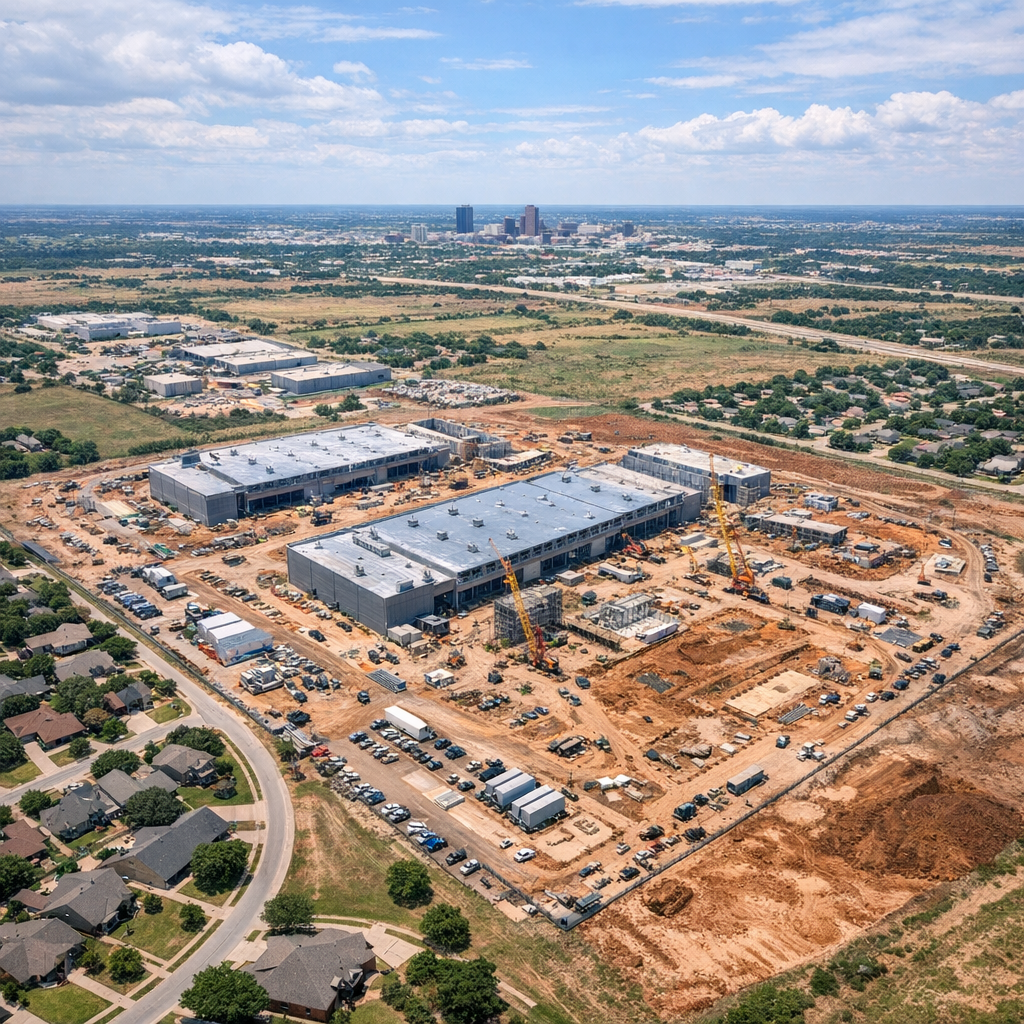
Abilene, Texas, has recently become a focal point in the global artificial intelligence (AI) industry, with the establishment of the massive Stargate data center project. Announced in 2025, this $500 billion facility, backed by AI leaders such as OpenAI, Oracle, and Softbank, has positioned Abilene at the forefront of technological advancement. However, this rapid development has brought with it a series of challenges, particularly in the housing sector.
Surge in Housing Demand
The influx of thousands of out-of-state workers for the construction and operation of the data center has placed unprecedented pressure on Abilene’s housing market. Rents have surged by approximately $1,000 within a year, making it increasingly difficult for low-income residents and voucher holders to secure affordable housing. Emergency shelters and motels are operating at full capacity, with reports of some data center employees resorting to living in their vehicles due to the lack of available accommodations.
Community Response and Future Outlook
Local officials acknowledge that the city was unprepared for the rapid population growth and the accompanying housing demand. While the data center promises long-term economic benefits, including increased tax revenue and job creation, the immediate impact on housing has been profound. Efforts are underway to address these challenges, but the situation underscores the complex interplay between global technological developments and local community dynamics.
As Abilene continues to navigate this period of transformation, the experiences here may serve as a case study for other communities facing similar global-local intersections.